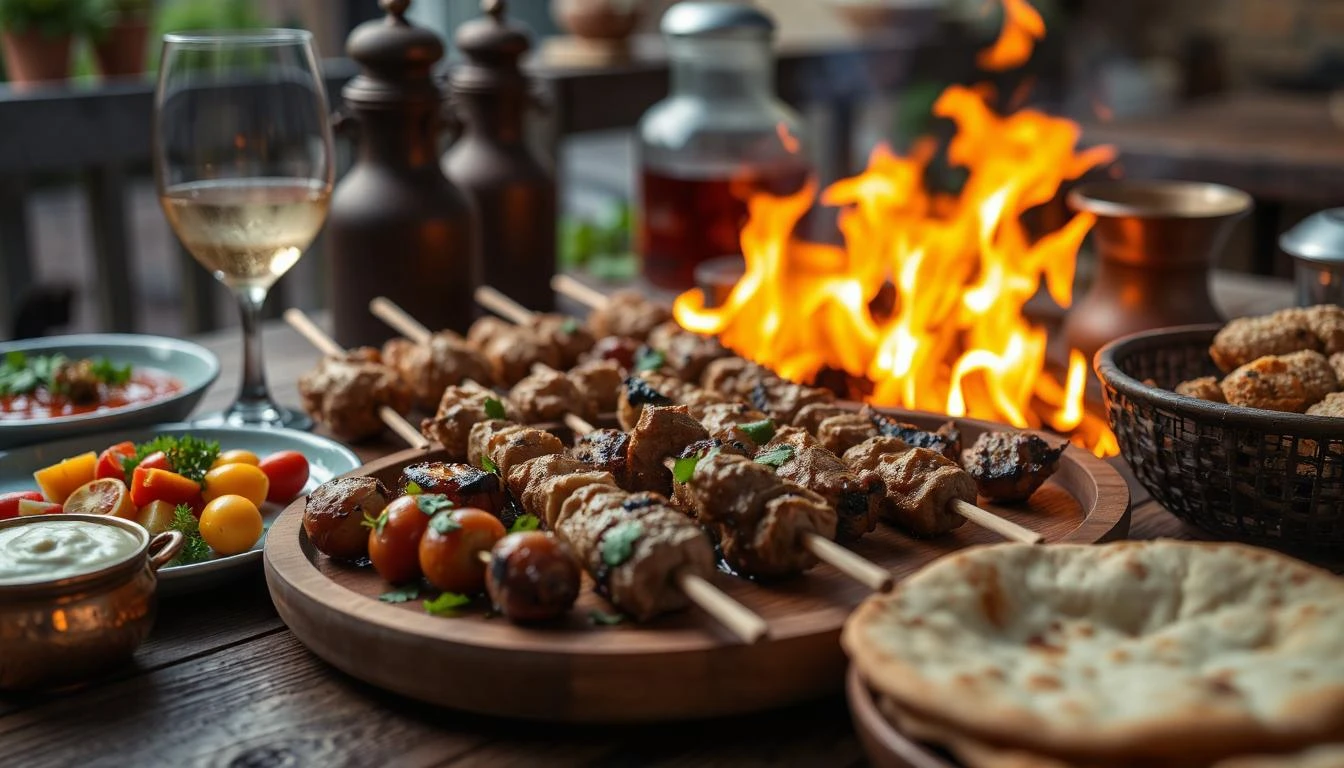
Traditional Turkish Food Culture

Turkey is often celebrated for its breathtaking landscapes and rich history, but its culinary traditions tell an equally fascinating story. Behind every dish lies a blend of cultures, centuries of migration, and generations of family recipes that continue to shape daily life. If you have ever wondered why Turkish cuisine remains one of the world's most admired food traditions, the answer goes far beyond flavor alone.
At the heart of this culinary legacy is Turkish food culture, a living tradition that connects history, community, and gastronomy in remarkable ways. From bustling street markets and family dining tables to regional specialties and modern restaurants, Turkish cuisine continues to attract travelers, food enthusiasts, and culinary experts seeking authentic experiences rooted in heritage and craftsmanship.
Understanding Turkish Culinary Heritage
The story of Turkish cuisine begins long before modern Turkey existed. To truly appreciate its flavors, it is important to understand the traditions, influences, and cultural values that have shaped one of the world's most enduring culinary identities. This rich background explains why many dishes remain beloved across generations and geographical boundaries.
The foundation of traditional Turkish food heritage can be seen in the way recipes are preserved, shared, and celebrated throughout the country. Food is not merely a source of nourishment; it serves as a cultural bridge connecting families, communities, and historical traditions that continue to thrive today.
Historical Influences on Cuisine
Turkish cuisine evolved through centuries of interaction between civilizations that crossed Anatolia and the surrounding regions. Influences from Central Asia, the Middle East, the Mediterranean, and the Balkans all contributed to the development of a unique culinary landscape.
The Ottoman Empire played a particularly significant role in shaping modern Turkish cuisine. Palace kitchens refined ingredients, cooking methods, and presentation styles that later spread across the empire. As food historian Charles Perry explains, "The Turkish culinary tradition represents one of the world's great historical cuisines, shaped by centuries of cultural interaction and refinement." This perspective helps explain why Turkish dishes continue to resonate with food lovers around the world.
Regional Food Traditions
One of the most captivating aspects of Turkish cuisine is its regional diversity. Every area offers distinctive ingredients, cooking techniques, and flavor profiles that reflect local geography and traditions.
The Aegean region is known for olive oil-based dishes and fresh vegetables, while the Black Sea region highlights seafood and corn-based recipes. Southeastern Turkey is famous for its bold spices, kebabs, and pistachio desserts, whereas Central Anatolia showcases hearty grain-based dishes and traditional breads.
These regional variations ensure that Turkish cuisine remains dynamic and deeply connected to local culture, offering countless culinary discoveries for anyone willing to explore beyond the most familiar dishes.
Importance of Family Dining
Family meals occupy a special place within Turkish society. Gathering around the table is often viewed as an essential daily ritual that strengthens relationships and preserves cultural values.
Breakfast, or kahvaltı, frequently becomes a social occasion filled with cheeses, olives, eggs, fresh bread, honey, and tea. Evening meals often bring together multiple generations, encouraging conversation and shared experiences.
This emphasis on communal dining demonstrates how food functions as a powerful social connector, creating memories that extend far beyond the meal itself.
Signature Elements Of Turkish Food Culture
What makes Turkish cuisine instantly recognizable? Beyond its famous dishes, several defining characteristics continue to shape how food is prepared, served, and enjoyed. These elements help preserve authenticity while giving Turkish gastronomy its unmistakable identity.
Hospitality and Food Sharing
Hospitality remains one of the strongest pillars of Turkish culture. Guests are traditionally welcomed with tea, sweets, and generous portions of food as a gesture of respect and friendship.
Sharing meals is considered an expression of generosity and community. Whether dining in a family home or a local restaurant, visitors often experience a warm sense of inclusion that reflects deeply rooted cultural values.
This tradition transforms meals into meaningful social experiences where relationships are strengthened through food and conversation.
Traditional Cooking Techniques
Many classic Turkish recipes continue to rely on traditional cooking methods that have been passed down through generations. Slow-cooking, charcoal grilling, stone-oven baking, and hand-crafted dough preparation remain widely practiced.
These techniques contribute to the depth of flavor and texture that characterize authentic Turkish dishes. From freshly baked pide to expertly grilled kebabs, traditional preparation methods remain essential to preserving culinary authenticity.
Food anthropologist Claudia Roden once noted that traditional cuisines endure because they "carry the memory of generations through recipes and shared meals." Turkish cuisine serves as a powerful example of this enduring connection between food and cultural identity.
Seasonal Ingredients and Recipes
Seasonality plays a central role in Turkish cooking. Fresh vegetables, herbs, fruits, and locally sourced ingredients often determine what appears on the table throughout the year.
Spring introduces vibrant greens and aromatic herbs. Summer highlights tomatoes, peppers, and eggplants, while autumn brings figs, grapes, and nuts. During winter, hearty soups, stews, and preserved foods become more prominent.
This seasonal approach not only enhances flavor but also supports sustainable cooking practices that have existed long before sustainability became a global trend.
How Turkish Food Culture Continues To Evolve
Although deeply rooted in history, Turkish cuisine is far from static. Modern influences, evolving consumer preferences, and global culinary exchanges continue to shape the future of Turkish gastronomy while preserving its essential character.
Preserving Classic Recipes
Across Turkey, families, chefs, and cultural institutions actively work to preserve traditional recipes. Culinary festivals, cooking workshops, and historical archives help safeguard knowledge that might otherwise be lost.
These preservation efforts ensure that future generations can continue experiencing authentic dishes prepared according to longstanding traditions.
Modern Interpretations of Traditional Dishes
Contemporary chefs increasingly experiment with traditional ingredients and recipes, creating innovative interpretations that appeal to modern diners while respecting historical roots.
Classic dishes are often reimagined through refined presentation techniques, creative ingredient combinations, and contemporary cooking methods. These innovations introduce Turkish cuisine to new audiences without sacrificing authenticity.
As a result, Turkish gastronomy successfully balances tradition and innovation, allowing it to remain relevant in an increasingly globalized culinary landscape.
Global Appreciation of Turkish Cuisine
Interest in Turkish cuisine continues to grow across Europe, North America, Asia, and the Middle East. International food festivals, culinary tourism, social media platforms, and food documentaries have contributed significantly to this expansion.
Popular dishes such as baklava, döner kebab, meze, Turkish coffee, and pide have become recognizable symbols of Turkish culinary excellence worldwide.
This growing appreciation reflects a broader consumer desire for authentic food experiences that combine history, craftsmanship, and cultural storytelling.
Experience The Rich Tradition Of Turkish Food Culture Today
Every great cuisine tells a story, and Turkish gastronomy tells one of resilience, diversity, and connection. From centuries-old cooking methods and regional specialties to family dining traditions and modern culinary innovations, Turkish cuisine continues to offer experiences that feel both timeless and relevant.
As global food trends increasingly favor authenticity and cultural depth, Turkish cuisine stands out as a remarkable example of how tradition can remain vibrant in a rapidly changing world. Whether you are exploring Turkish dishes for the first time or deepening your appreciation for this culinary heritage, each meal provides an opportunity to discover something new about history, culture, and human connection.